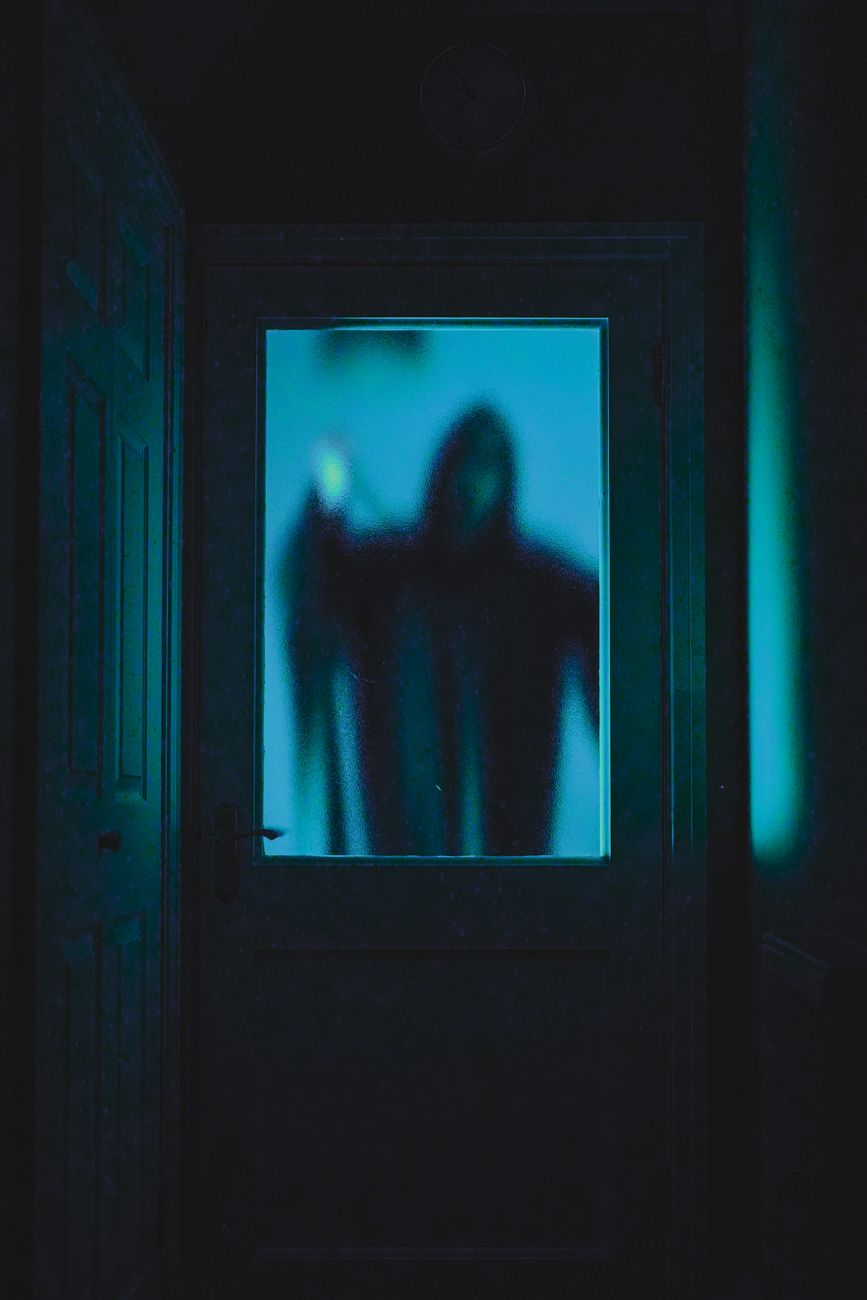
Here in the Western Hemisphere, we often see Japan in our minds represented by famous anime characters like Goku, Monkey D. Luffy, Pikachu, or even a giant Gundam mobile suit. But if you think about it, a character that continuously comes up in that list of well-known Japanese figures is Sadako from the Ring series. Since the early 1990s, Sadako Yamamura (known as Samara Morgan in the US) has put the fear of technology into audiences worldwide. She exemplifies horrors so terrible they shouldn’t be seen. She is a literal disease, evil incarnate, and her highly popular story has made millions of people scream by way of movies, remakes, a manga and TV series, and even games.
And it all started with a book. In 1991, author Koji Suzuki published a story of a girl with extremely deadly psychic powers who hunted down those not fit to help her by way of a cursed VHS tape. The only person to succeed was a reporter looking for a story that arose from her niece’s untimely death. Throughout the years, this story has evolved into a mix of traditional Japanese culture, growing distance from each other through advancement in technology, and cosmic powers beyond our comprehension. Yet even with these high-level ideas, the Ring series lingers in horror media and will continue to do so for a long time. Just like her cursed video tape, Sadako’s pull is inescapable and everlasting.
That one book became a 6-novel series about the widespread reach of Sadako’s evil. The cursed video tape becomes a virus that spreads quickly through society, engulfing everything in its wake. People disappear off the face of the earth, followed closely by their friends and family. Many attempts are made to stop the spread, mostly to no avail. The virus then becomes digital, and soon we find ourselves being “recycled” back to ourselves as tiny specks in our parents’ eyes. The stories tend to wrap themselves in circles and repeat endlessly, from Sadako to a tape to us and back to Sadako. Each story is a reflection of that cycle, with titles like Loop and Spiral, signifying both the path of the story as well as the cultural iconography of circles in Eastern cultures (which, in Japan, signify Buddhist principles like ultimate zen and balance, or even “a moment when the mind is free to simply let the body/spirit create.”)
The novel series grew popular, and along came a series of TV spots and full-fledged movies. At least in the beginning, Hideo Nakata’s directing stuck closely with the books. But ideas that are more-easily expressed on paper than on film are eventually scrapped for heightened audience entertainment. Sadako began appearing in movies with very little to no true links between the original story and her new ventures. To be honest though, it worked in her favor; at this point, Sadako had gained the same urban legend notoriety as other famous monsters like the Slit-mouthed Woman or the Human-faced Dog. Now, any phone call you receive after a spooky movie results in your death a week later.
Enter Hollywood. The early 2000s were, in my opinion, prime time for supernatural films and gave way to the rise of Asian (mainly Japanese) remakes for the American audience. Original Ring director Hideo Nakata took his dark aesthetic and reformatted it to tell the story of Samara, a girl with dangerous psychic abilities who kills through a cursed VHS tape. Never before has a Japanese legend fit so snugly into Western minds. 2002’s The Ring was a hit, spawning two more movies with Samara earning her place as a horror icon.
With each new rendition of Sadako/Samara and her cursed tape, her spread reaches further and further, sometimes even into non-horror media. Ring has been turned into video games, as well as a manga series. Sadako is a favorite at sporting events in Japan and prank videos in America. Samara’s likeness was parodied in the Scary Movie series, and her image stands with other female horror greats like Vampira and the Bride of Frankenstein. The simple act of coming out of a TV screen is instantly known as coming from The Ring.
Koji Suzuki’s story of a girl given too much power in death has taken the world by storm, changing film history, as well as having a massive impact on society as a whole. The Ring series isn’t just entertainment, it’s a cautionary tale of love, loss, hurt, regret, grief, revenge, and the cycle of all of those in life. Everything that mattered once wouldn’t necessarily matter in the end, and everything would repeat with different people, different actions, and different outcomes. Everything is connected. Ring is my most favorite story because you feel so many different emotions with each retelling. It’s eye-catching with just the right amount of scares to keep you cowering but still watching, the same as Sadako’s tape. And with such an extensive and ongoing repertoire of different media, her story will linger not only in the minds of horror-philes, but of all people for years to come.
I highly encourage you to take part in the story. Start from the beginning and branch out!
- Japanese original books – Koji Suzuki
- Japanese original movies
- Ringu (1995) – TV special only released in Japan
- Ringu (1998)
- Spiral (1998)
- Ring 2 (1999)
- Ring 0: Birthday (2000)
- Sadako 3D (2012)
- Sadako 3D 2 (2013)
- Sadako vs. Kayako (2016)
- Sadako (2019)
- Japanese Manga
- The Ring Volume 0: Birthday (2000)
- Japanese TV
- Ring: The Final Chapter (1999)
- Rasen (1999)
- Video Games
- Ring: The Terror’s Realm (2000)
- Ring: Infinity (2000)
- American remakes
- The Ring (2002)
- The Ring 2 (2005)
- Rings (2017)
- Rings (short) (2005)
- Korean Remake
- The Ring Virus (1999)
How has the Ring series impacted you? What is your favorite storyline, or character? Leave us a comment and let us know!