Whether we think of them this way or not, the film industry is just that: an industry. They exist not just for our entertainment, but to make a profit. That profit goes back into moviemaking, but also into the moviemakers’ pockets. We don’t make movies just for the pleasure of making or watching them, but to survive long enough to make more. That said, it matters quite a lot what goes on to make millions, while others get left in the dust. And how do you get as many people as possible to watch a movie (and keep watching it)? A short blip of the product, by way of trailer, website, poster art, or secrecy.

Before we delve into this subject, let’s talk about how these blips are even made. While a movie is still in production, already-filmed scenes are taken and spliced together to make a trailer, or given out as promotional images. This is why we see so many differences between trailers and the finished movie. A website may be made months beforehand to build a backstory for the movie characters. Concept art, and then poster art is created. All of these things are created before the movie’s release, with an anticipated number of views the companies want to achieve. This costs money to do, from as little as $100 for a basic website to millions on music rights alone. Want to show the trailer on TV? Thirty seconds will cost you a certain amount for a 4 AM slot, and much much more for the Super Bowl halftime show. Either way, we’re spending money in the hopes of multiplying it.
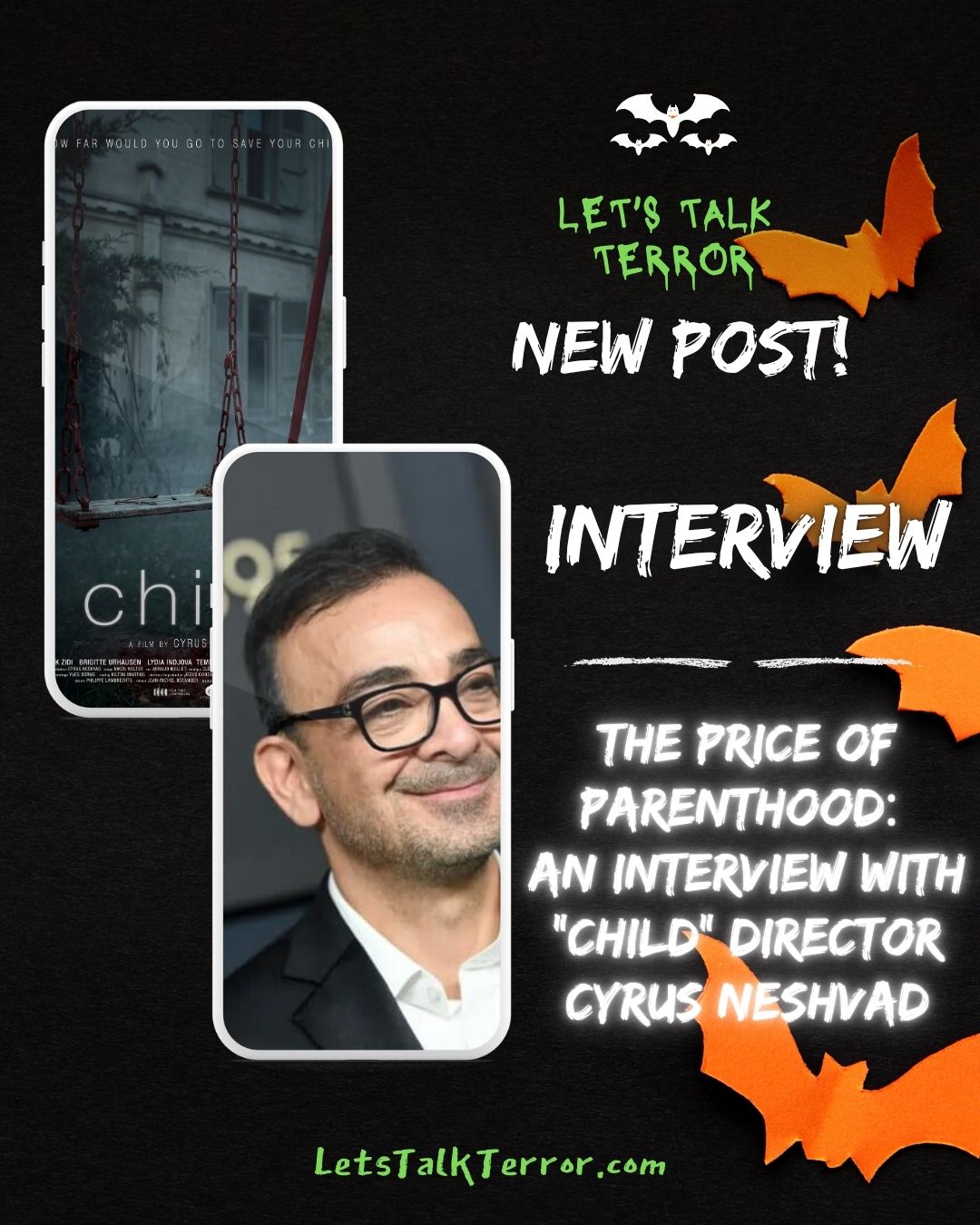
Trailers and other types of ads can make or break a film before it even releases.
| Ad Type | Pros | Cons |
| Trailer (full-length and extended) | Allowing more of the story to be shown, especially good for “elevated” or more cerebral films | Showing too much of the action or scares, leaving nothing to the imagination |
| Trailer (teaser) | If done in the right way, drawing the audience in because they want to know more | Audience doesn’t grasp the concept, knowing too little |
| Production photos | Giving an inside look, making the audience feel like they are part of the film themselves | Ruins the “magic” of filmmaking, or gives away secrets or spoilers for effects and storyline |
| Critical and early audience reviews | We have a baseline for what to expect from this movie (how scary, types of scares, etc.) | Movie doesn’t live up to the hype |
| Poster or cover art | Conveys the feeling of the movie to the audience in an easy-to-digest manner | Gives the audience a chance to pick apart theming, costumes, makeup, etc. |
For example, 2017’s IT: Chapter 1 gave away the costume design for Pennywise in a production photo, amplifying an already-hot debate on whether this rendition could top Tim Curry’s in the original 1990 version. Conversely, individual posters from all 17 of the Titans from Godzilla: King of Monsters (2019) heightened the hype for the now “meh-” received movie.
Now, we’re in an era where most people know that trailers and other promotions should be taken with a grain of salt. While trailers are still being made (it’s how most of us know a new movie is coming out), filmmakers are using more inventive ways to spread the word and generate buzz, including:
- Remakes and re-imaginings
- The festival circuit and limited releases
- Controversy, especially as it pertains to society today
Remakes and re-imaginings will always generate buzz because nostalgia and fandom can be literal nightmares. Just as a first edition book carries more weight than a 200th edition, the first rendition of an idea reigns supreme. This is especially true for cult classics and fan favorites like A Nightmare on Elm Street, Friday the 13th, Child’s Play, and Evil Dead. Though Jackie Earle Haley’s makeup and performance in 2010’s A Nightmare on Elm Street were phenomenal, audiences nationwide showed their dismay losing the wise-cracking Krueger of the 80s. 2019’s Child’s Play was made for millenials, updating Chucky’s face and toy qualities, but audiences generally prefer the original. 2009’s Friday the 13th and 2013’s Evil Dead were spared audience hate; both successfully gave new life to otherwise “dead” series, using more believable scares, excellent cinematography, and reasonable character actions.
The festival circuit is not only a great place for smaller projects, but bigger projects that may not get positive reviews if released nationwide. While not necessarily a “festival” film, Rob Zombie’s 3 From Hell (2019) released in limited theaters; because of principle Zombie actor Sig Haig’s passing and an overall unimaginative story, it received mixed reviews, making the decision to limit the release a good one. On the other hand, movies like 2019’s Wrinkles the Clown and Daniel Isn’t Real garnered much positive attention even outside of the festival circuit.

Controversial ideas seen in Wrinkles and Daniel are too ways to spread recognition of various horror titles to a wider populace. Both The Purge and Get Out hit topics such as race and class, themes highly debated today. Those against excessive blood and gore would find titles like The Human Centipede and Terrifier complete trash, but they still gain massive adoration from horror buffs for their raw traits and against-the-grain qualities. Movies that oppose “polite society” will spread out and be seen because people hear about how awful they are, and we just have to see it for ourselves. Even simply saying a movie is “the scariest of all time” proves effective; Evil Dead (2014) and The Exorcist (1973) both touted the title as the scariest movie and remain favorites to this day.
Then, there are movies that stay in complete silence until their release. 2011’s Cabin in the Woods wasn’t exactly a secret project, but it’s main twist pretty much was. Cabin was advertised as a run-of-the-mill scary movie: a bunch of college kids go on break and are killed in a cabin in the forest. What audiences thought was a nothing-special movie turned out to be the pinnacle of horror satire, poking fun of the genre while staying true to it at the same time. This made Cabin successful on two fronts: loved by those that understood its underlying themes as well as those who came for the scares.
While horror should be enjoyed as an art form, their advertising should be considered too. It takes more than money to make something great, and every angle of thought has to be accounted for. Most often, the advertising (trailers, art, etc.) will be the first thing you see for a new film. Whether it matches the movie and is interesting to the viewer ultimately decides the film’s fate.