Age can be a wonderful determiner for movies. Something you see as a child can scare you all the way into adulthood. But sometimes age can be a blinder, making what was once a scary monster into poorly-executed costuming and terrible acting. Nostalgia is a powerful tool that not only keeps fond memories alive, but can change those memories so much that it’s like you’re experiencing them again in a new way.

For the horror genre, nostalgia plays a huge part in cult following, creating masterpieces that are passed down through generations. One such masterpiece is the book series Scary Stories to Tell in the Dark by Alvin Schwartz and with freakishly haunting illustrations by Stephen Gammell. This children’s book series was so controversial that it was consistently challenged as an appropriate library book in its heyday (a pastime that continues today). Nothing was off the table with these stories, as old folk tales and reimaginings paired with grotesque pictures gave children across the nation nightmares. But it was those exact things that kept kids coming back, much to the disdain of concerned parents. For me, I had read those stories as a kid and kind of forgot about them for a while in my late adolescence. But they made an appearance again as I got into my 20s and I’ve been obsessed ever since. The original fanbase, now grown, is coming back to their roots, as evident in the newly released Scary Stories movie adaptation. The movie, like the books, is meant for a PG-13 audience but still packs the scares with amazing costuming and makeup. The heart of the story is what we came for, and after excitedly pointing out all the easter eggs and retelling the original stories to my husband afterward, it’s a trip through nostalgia-land that I’ll gladly come back to when I’m feeling down.
We see this happening now because trends tend to resurface every 30 or so years (with each new generation). That’s why we’re experiencing a resurgence of everything 80s and 80s-inspired (e.g. Stranger Things and Ghost Busters). As put so eloquently by The Patterning, “the driving factor seems to be that it takes about 30 years for a critical mass of people who were consumers of culture when they were young to become the creators of culture in their adulthood.” And that makes total sense. Things that shaped our childhoods are brought up again when we are adults because we want to experience them again, as well as share that experience with others. Nostalgia is an instant connection machine that pairs together people with the same good experiences.
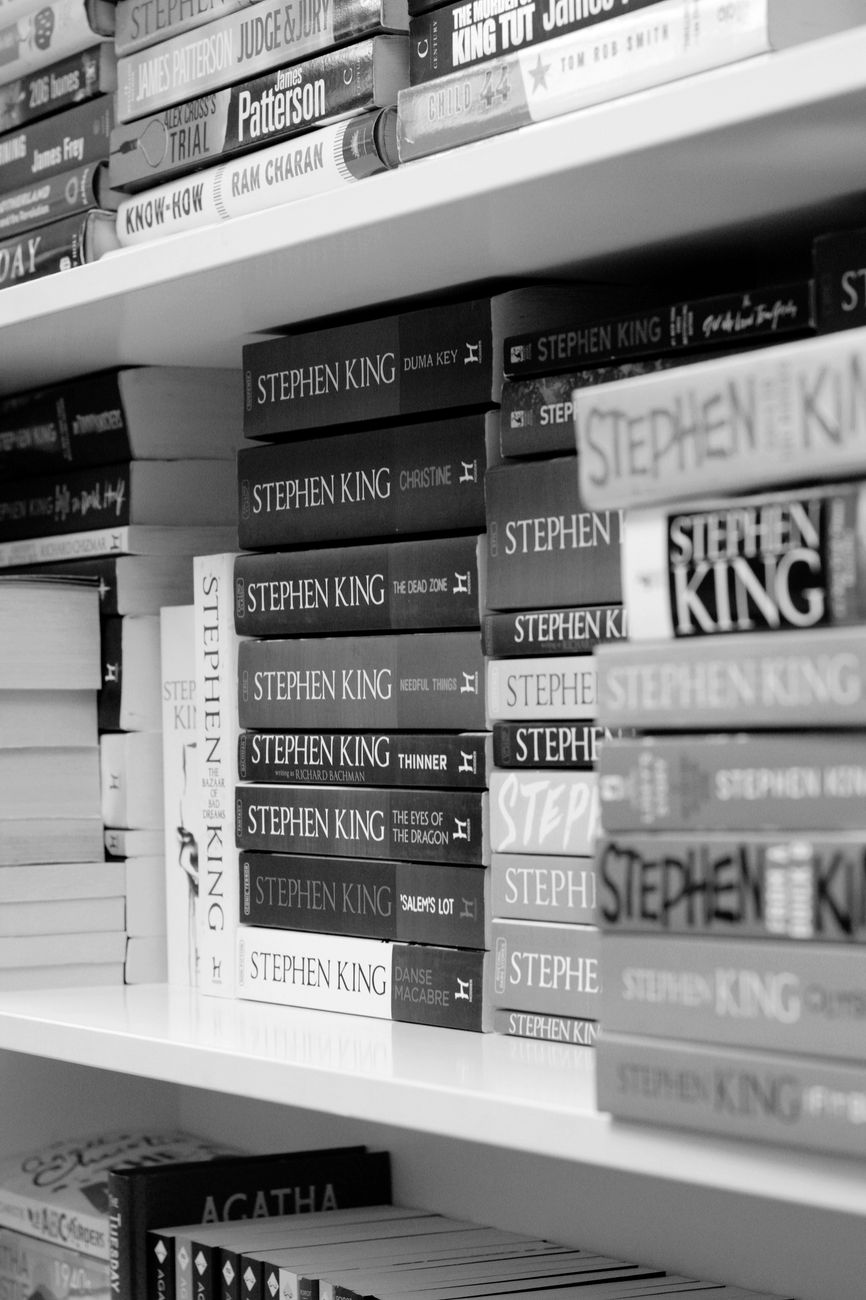
Unfortunately, nostalgia can also have the opposite effect, showing us that we no longer value what we once thought was worth more. It’s always a sad day coming back to something to find it not as satisfying as it was in our youth. Many movies we saw as kids just don’t hold up in our adult years. The costumes may be cheap. The story may be convoluted. The scares hit different, or don’t hit at all. Take the 1990 TV miniseries for one of horror’s most-feared clowns: It. I first saw this around my pre-teen years, and I remember Tim Curry as Pennywise the Dancing Clown being a reason I sometimes give clowns a second glance (I’m not scared of them, but they’re slightly more sinister now). Really, he was the only thing I could remember from the movie. So years later in my adult life I watched it again. Straight garbage. Tim Curry was the only saving grace, but literally every scene he wasn’t in was a complete mess. How could this have happened? How could one of the most frightening films in living memory, based on the 1,000+ page monstrosity of a masterpiece that is the novel, written by possibly the most dedicated horror author of all time, produce this day-time TV trash? The reason is simple; we all had kid-blinders on. Think about it — how many things did you enjoy as a kid that you no longer enjoy today? I’m betting it’s quite a long list. And that’s totally fine, in fact, it’s part of growing up. What we once thought was brilliant writing, fantastic visual effects, and an insanely spooky story as a kid turned out to be no more than mediocre as we grew older. It may be because we’ve outgrown our monsters, or that we’ve seen more realistic tragedies on the news. It could just be that we grew up.
It’s always a bit sad when you come back to something you once loved as a child to see it not perform the way it used to. But the thing about nostalgia is that you still retain those memories of how awesome that thing used to be. It’s like an episode of Spongebob: kids like it because of the silly jokes and goofy characters, but parents like it because it reminds them of their childhood (it also helps to throw in some adult jokes every so often). There’s a pumpkin patch that my mom and I go to every year. As a child, I went on girl scout trips there, got lost in an endless corn maze, and picked a perfect specimen from a sea of pumpkins. I’m approaching my 30s now, and for the past few years I’ve become more and more indifferent about it. I still love to walk through the maze (though the “bald” spots make it pretty easy to finish). And I still love picking my pumpkin (from much smaller fields). As Fall approaches, my excitement begins to dim as my nostalgia clouds the now-commercialized and worn down pumpkin patch of my childhood. Does that stop me from enjoying our trips there? Of course not. I can deal with the screaming 3-year olds and astronomical admission prices if that means I can experience even a smidgen of that memory that I hold near and dear to my heart.

Your brain is like a photo album, with tiny snapshots of memories from your life up until this point. There are all types of memories there: good, bad, embarrassing, confusing, exciting, heart-racing. Nostalgia takes those memories and puts a flower-crown Snapchat filter on them. That embarrassing moment you tripped on the sidewalk turns into the day you picked out new shoes with your friend. The sad day you failed a test was the same day your crush asked to help you study. That terrible movie with bad CGI aliens used to be your favorite sci-fi thriller of all time — and it still is. Nostalgia can be a blinder, but it’s a function our brains need to keep us happy. Who cares if something you once loved isn’t what you remembered it to be? It’s still the same in your heart. And because of nostalgia, you get the keep that feeling forever.