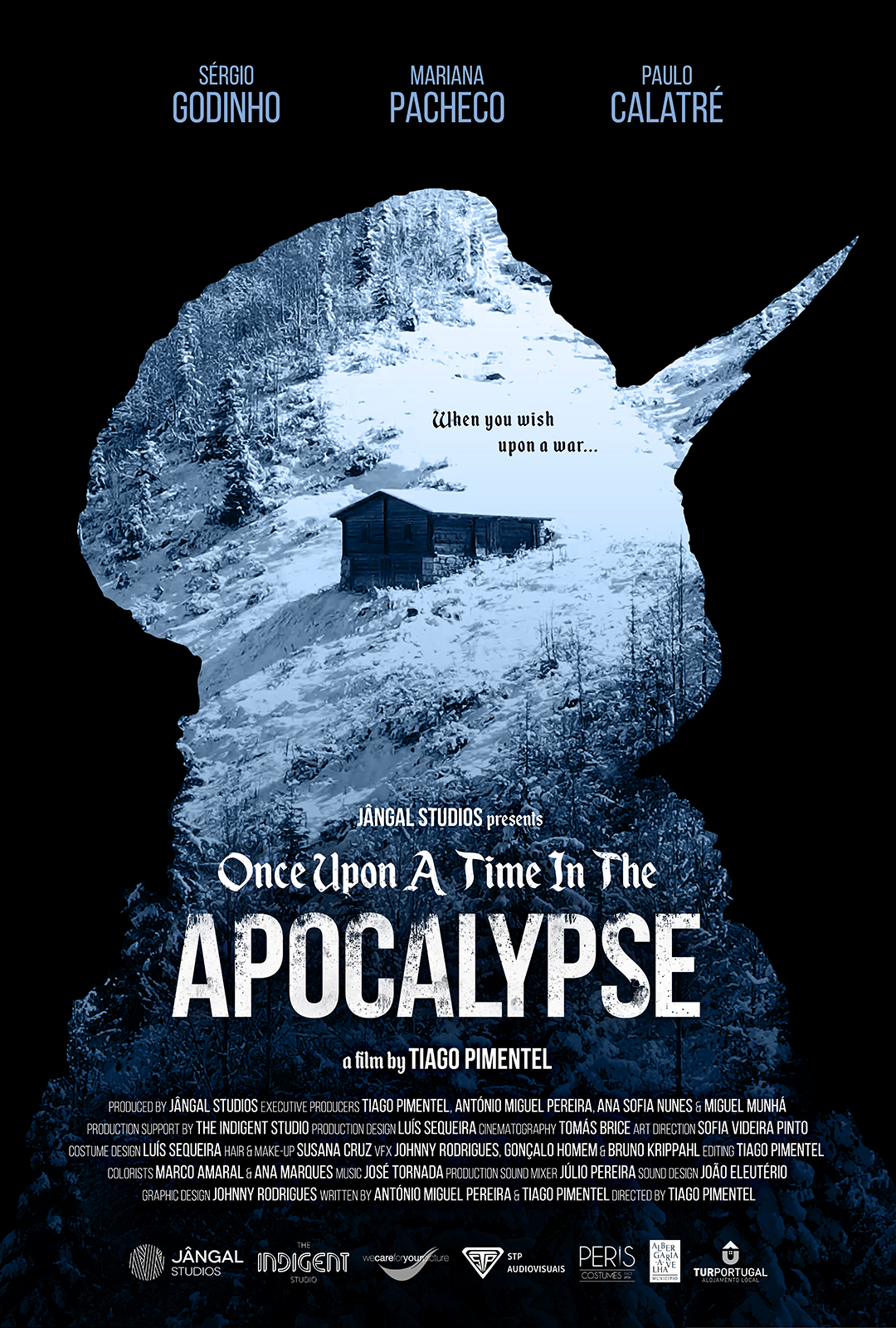
A government is there to protect its people, no matter the cost. And a government always has its people’s best interest in mind, right? Once Upon a Time in the Apocalypse (aka Era Uma Vez no Apocalipse) is a Portuguese short film about such efforts to keep people “safe” during a nuclear winter. Tense and heartfelt, Once Upon a Time shows that the fallout from a nuclear war is oftentimes not the worst thing to happen — it’s the continued response from those in power.
In the fallout of nuclear war, totalitarian regimes reshape world order. Ernesto is hiding a secret, and when a government inspector shows up at his doorstep, a cat-and-mouse game unfolds – one that can only end in tragedy.
Once Upon a Time in the Apocalypse, IMDB
Ernesto awaits his daughter’s arrival from the desolate snowy outside. She returns holding a precious item, one that must be hidden from the Colonel in hot pursuit. Keeping his daughter and a few incriminating items hidden, the two men talk about many subjects: the war, technology, the recent smuggling attempts at the military warehouse — and what happens to those who refuse to follow orders. The discussion comes to a head with threats and violence, forcing everything to come out in the open.
While I myself was born after the shadow the Cold War left on the world, I, as well as many others, still have this nagging fear of war breaking out and the use of world-ending weapons. Once Upon a Time inhabits the after, blizzard conditions and extreme food rationing the highlights of their days. Ernesto and his daughter do their best to make do with that they have, all while quietly helping the budding resistance as they listen to a rogue radio broadcast highlighting the recent findings of the radiation not being a problem anymore. In a way, the fear doesn’t come from war or sickness, it’s the conspiracy of the government keeping everything under wraps, a totalitarian regime with no hope for escape.
That is, until the two discuss a “thief” who has been sneaking onto the base and stealing precious items. Once Upon a Time‘s best asset is its tension building and ability to narrate a story without clumsily spilling exposition and background details. Their discussion comes very naturally, and with every sentence the Colonel says, we grow more and more nervous that he will find the daughter and punish them both. The slow realization that Ernesto was once held to high government standards and worked on possible safety measures to get people living a normal life again makes the stakes extremely high.
And then there’s the ending, which I won’t spoil here. A motherly instinct, a failed operative mission, quick violence, and a Pinocchio book all come together to provide such substance in this 20-minute short. While it doesn’t rely on traditional jumpscares, Once Upon a Time delivers chills through dialogue and the chance of something happening, the chance of a threat, the chance that they may never see a “normal” life again. And not knowing how a dangerous situation will turn out is often scarier than any monster could be.
Once Upon a Time in the Apocalypse is wrapped up beautifully from the concept to its title. With characters you actually care for and a plot that, sadly, many people have experienced on some level, this short replaces an indescribable, desolate wasteland with terrors of the living, and people in power that have lost their humanity in the struggle.
For more on Once Upon a Time in the Apocalypse, follow writer/producer António Miguel Pereira on Instagram.