The Many Tales of Terror
I’ve said this many times and I’ll keep saying it — horror is the most diverse genre out there. There are dozens, if not hundreds (or even thousands!) of subgenres and ways to divide up the genre. And that means there is absolutely a subgenre for everyone. Whether it’s a spooky midnight tale, a bloody mess of flesh and limbs, a tongue-in-cheek perspective on the world, or a mystery waiting to be solved, every subgenre has something special about it that keeps fans coming back. Below is a non-exhaustive list of horror subgenres outlining what makes that topic tick. Seasoned horror fans can browse it to start a new chapter in their horror fandom, and people new to the scary stuff can use it to help them find what they love.
Slasher

Defining Characteristics: A (probably) human killer, high body count, creative kills, the “Final Girl”
Common Themes: Youth culture (decade-dependent), moral panic, survival, revenge
Starter Films: Halloween, Friday the 13th, A Nightmare on Elm Street, Scream
Why Fans Love It: Slashers are a favorite and arguably one of the most recognizable subgenres of horror. The villain is memorable and chase scenes are top tier. And now that Slashers are a solid, constant choice to watch, audience participation is added to the mix; how many times have you screamed “Don’t go in there!” or “He’s behind you!” at your screen?
Supernatural Horror

Defining Characteristics: Ghosts, possessions, paranormal activity, curses, objects moving without anyone touching them
Common Themes: Life after death, religious conflict
Starter Films: The Ring, Poltergeist, The Shining
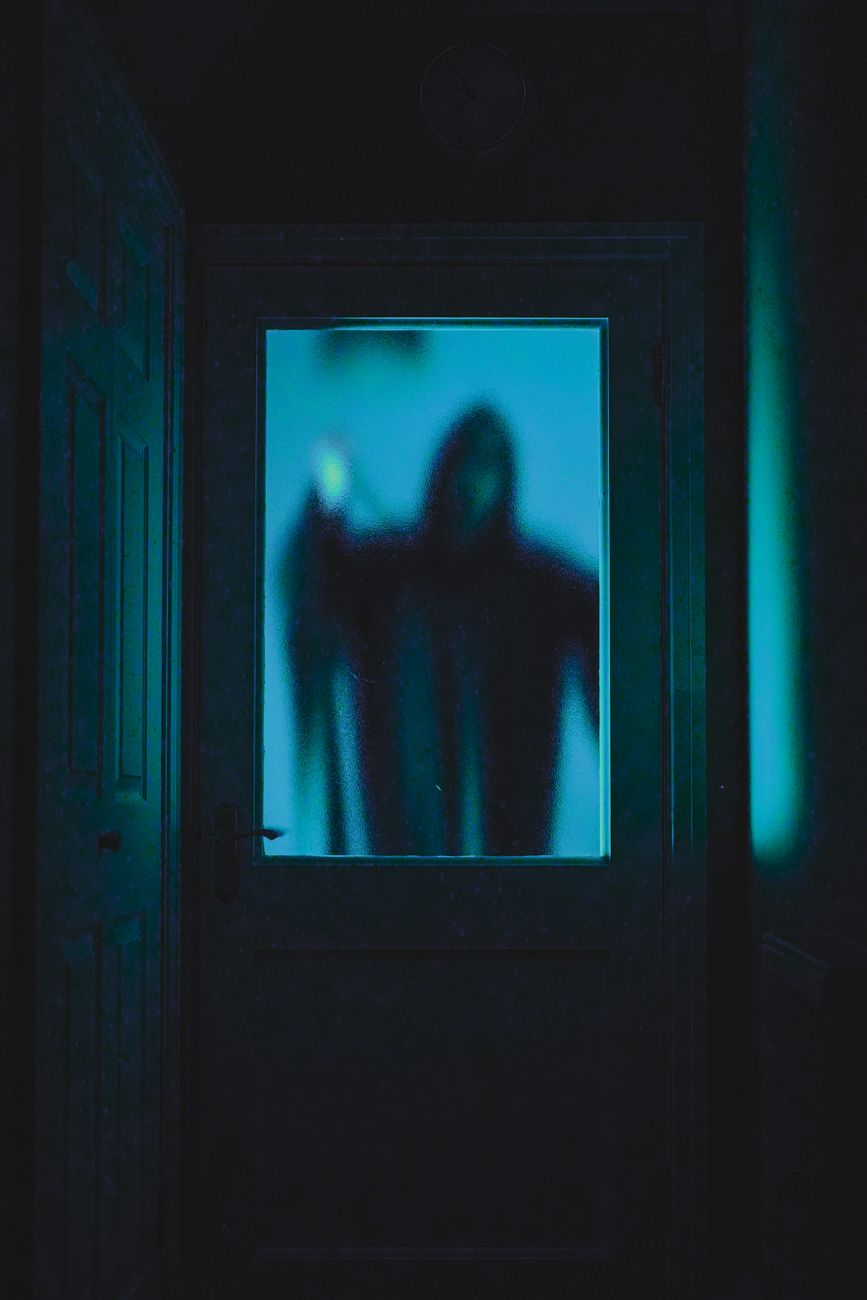
Why Fans Love It: We will likely never know what happens after we die, and that leads us straight into fear of the unknown. Oftentimes supernatural horror movies involve an extremely atmospheric setting, sometimes with fog or darkened hallways. A lingering dread is thick in the air as you wait, frightened, for an unseen force about to attack.
Psychological Horror

Defining Characteristics: Gaslighting, unreliable narrators, blurred reality, highly emotional/stressful situations
Common Themes: Isolation, identity, obsession, madness
Starter Films: The Babadook, Jacob’s Ladder
Why Fans Love It: No one wants to be proven to be crazy, right? Psychological movies poke and prod at that thing we call a brain and beg the question “Is what you’re seeing really there?” Perhaps you will guess the ending, but more often you’re left with a major twist.
Found Footage

Defining Characteristics: Handheld perspective, faux realism, minimalist filmmaking, literally “found” and played back for an audience
Common Themes: Authenticity, voyeurism
Starter Films: The Blair Witch Project, Hell House LLC, Cloverfield
Why Fans Love It: Found Footage (or “POV”) films are highly immersive and a great escape from the more fantastical subgenres because they offer the most real depictions of what a horror movie could be like (besides documentaries). By forcing the audience perspective through the camera lens themselves, viewers become part of the story — and are also unable to look away.
Folk Horror

Defining Characteristics: Ancient traditions, rural settings, isolated communities, Paganism
Common Themes: Nature, tradition, communal pressures
Starter Films: The Witch, The Wicker Man, Midsommar
Why Fans Love It: Folk horror lulls you into a false sense of security with beautiful settings and family structures that don’t actually have your best interests in mind. Ancient powers are at hand, and a slow-building dread soon covers the surface. You have no escape — there’s a reason these traditions have lasted millennia.
Anthology Horror

Defining Characteristics: Self-contained/episodic stories, multiple stories in one movie, framing/wraparound narrative
Common Themes: Literally any and all of them, depends on the overarching theme of the movie
Starter Films: Creepshow, V/H/S, Tales of Halloween, Trick ‘r Treat, Black Sabbath
Why Fans Love It: One of my favorites, Anthologies offer the most variety in a feature-length setting. They often feature bite-sides scares with shorter stories, always leaving you wanting more. For this reason, Anthologies are a great entry point for newbies to horror.
Body Horror

Defining Characteristics: Physical transformation, mutation or disease, loss of bodily autonomy
Common Themes: Illness, identity, control
Starter Films: The Fly, Videodrome, The Substance
Why Fans Love It: Body horror makes people squirm because we can identify with pain and transformation (on some level, at least). Though many Body horror movies have exaggerated, impossible outcomes, we can safely explore real-world anxieties through them.
Creature Features

Defining Characteristics: Monsters or animals, predatory threats, survival
Common Themes: Nature striking back, fear of predators, human audacity vs. nature’s supremacy
Starter Films: Jaws, Alien, Tremors
Why Fans Love It: Like Slashers, Creature Features have thrills and kills. Always with a memorable creature design, scares range from normal (but oversized) animals to completely alien monstrosities, making us scared of the wild once again.
Mystery Horror

Defining Characteristics: The mysterious (obviously), investigation, puzzles
Common Themes: Secrets, conspiracies, hidden identities
Starter Films: The Others, The Changeling, Session 9
Why Fans Love It: Often intertwined with Psychological horror, Mystery horror lets fans explore horror through thought. Being able to solve puzzles and figure out the issue before they die is key. This also encourages rewatches, as after the ending is revealed, viewers can watch again under a new light.
Horror Comedy

Defining Characteristics: Blending scares and laughs, self-aware tone, parodies/satire
Common Themes: Social commentary, celebration of common horror tropes
Starter Films: Tucker and Dale vs. Evil, Deadstream, Cooties,
Why Fans Love It: Horror and comedy are two sides of the same coin: both rely heavily on timing. Horror-comedies not only provide a safe outlet to talk about social (and often taboo) commentary, but make it fun at the same time. You can be scared one moment and release tension with a joke the next, or vice versa with jumpscares being more effective when you’re not expecting them.
Zombies/Infected

Defining Characteristics: The dead (duh!) but also those who are “infected”
Common Themes: Disease, mob mentality, survival (more so against other humans, rather than the zombies themselves)
Starter Films: Night of the Living Dead, 28 Days Later, World War Z
Why Fans Love It: Everyone likes to think they’d survive a Zombie apocalypse, but that’s highly dependent on what kind of zombies they are. We have walkers, runners, infected, voodoo zombies, and many other kinds, giving a sort of sub-sub-genre authority to Zombie films.
Celia’s Personal Horror Sub-Genre Analysis

My most common viewing habits and subgenres: Supernatural, Folk, J-horror, Anthologies, Psychological, Halloween-based, nostalgia (primarily 90s)
Common Themes: Atmosphere over gore, mystery over action, dread over shock, folklore, curses, the unknown. Horror that stays with you long after the credits roll.
What I Tend to Lean Towards: Looking at my own viewing habits, I tend to gravitate toward atmospheric horror, particularly supernatural stories, Japanese horror, folk horror, and anthologies; this doubles if it’s also centered around Halloween or the general Fall time. While I enjoy a good slasher or creature feature from time to time, the movies that stay with me are usually the ones built on mystery, dread, and the fear of the unknown. The older I get, the more I realize that what scares me isn’t necessarily what jumps out from the shadows — it’s what lingers there long after the movie ends.