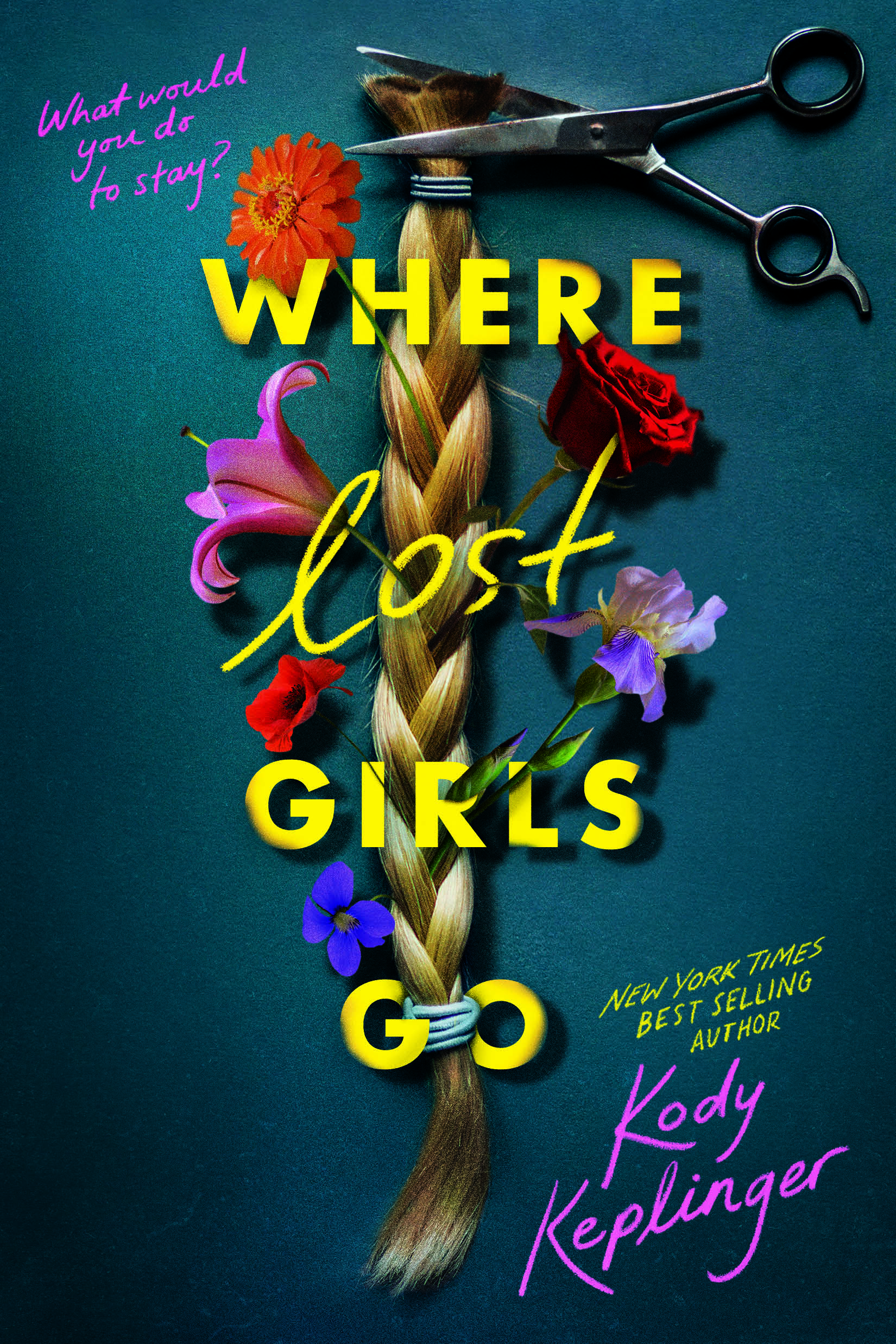
In an age where we have high visibility visors on for cults as well as an immediate and severe disdain for crimes against children, books like Kody Keplinger’s Where Lost Girls Go rises to the top in an eerily dramatic story involving a girl trying to find her way in life, endlessly hitting brick walls that put her in danger of losing it all — and more.
New York Times bestselling author Kody Keplinger weaves a stunning story about girlhood, power, and desperation that asks just how far we’ll go to save ourselves-and those we love.
Where Lost Girls Go, Amazon
Caela lost her dad, lost her friends, and lost only home left, forcing her to take refuge in her car in a no-name town in the forested hills of Kentucky. Just when she gives up totally, another girl appears, and though she’s a little worse for wear, brings her to Sol, a 30-something man living in a small cabin a few miles from town. Taking on a new name (at the request of Sol), “Iris” and the rest of the flower-named girls living at Sol’s cabin spend their days working — tilling the soil, fixing up the house, enjoying their time, and participating in “Growth Sessions” with Sol in hopes of turning over a new leaf… and a new life away from their troubled pasts. When the newest guest, named Rose, arrives, Iris’ worldview is turned upside down, shining a light on the exact nature of life at the cabin.
Where Lost Girls Go is prefaced by Keplinger explaining her fascination with cult activity — how people get involved, what goes on, why people stay, etc. For people like me who find cults extremely fascinating, I appreciated this bit of context and was free to dive head-first into the world of Caela/Iris. Going back and forth in the timeline, chapters named after variations of our main character (reflecting what stage of the story she’s in), Where Lost Girls Go seamlessly flips through pivotal events in her life. She is a sprouting teen photographer when her dad dies, prompting her to be sent to her unfeeling mother and step-family’s house away from her friends. After months of rebelling and not fitting in, Caela is driven out of the unloving home, only to find acceptance in the Kentucky woods. But through hard times (starvation, boredom, secret-keeping, and a budding relationship with Rose), her eyes are opened to how far she has fallen and what happens to flowers who are taken down by weeds. Sol isn’t who he says he is, and it takes everything in Caela’s power to come to realize how messed up of a situation she’s actually in.

I’m no expert in cults, but from her first meeting with Sol and the other girls, I knew Caela/Iris was in a world of trouble. Where Lost Girls Go does fantastically at keeping just enough information from you to keep interest and mystery, while providing other information that — as an outsider — immediately raised red flags. I wanted so badly to reach inside the book and hug Caela, help her get out of the situation and back on her feet. Through her eyes, we feel her loneliness, her loss, and her desires. Where Lost Girls Go goes even further though and gives us another character, Rose, that is the shining beacon of knowledge that puts everything into perspective — a wake-up call, if you will.
Thankfully there is no sexual angle to this story (besides a very PG moment between Caela/Iris and Rose) as there is with many real-life cults. There are, however, plenty of moments of tenseness, worry, and panic. Like descriptions of cult leaders, Sol is written as an almost too positive figure, making his outbursts towards the end all the more terrifying. I could feel his eyes penetrate through the pages as if he were staring at me directly. Where some people, like the girls, found Sol as a comforting figure, I found him sinister. What a relief that I’m in my 30s and in no way young enough to have fallen for this trap as a teen girl with nowhere to go might have.
And I will say that towards the end of the book, I was begging for the story to not only end, but have a good ending. I was anxious, the same feeling of distress as when I read Stephen King’s Misery. Brilliant.
Where Lost Girls Go is like a bad relationship itself: it throws gut-punches and right after, soothes your spirits with tender moments of kindness. It is a very real fear of becoming a slave to someone else’s demands because you have lost your own way. Keplinger’s story is written from the heart and doesn’t blame the main character — she makes us love her, something I wish I could make Caela feel myself. Where Lost Girls Go is a cautionary tale for teens, but a fascinating — and frightening — story for those a bit older and a little less lost.
Where Lost Girls Go is available to purchase now on Amazon.